Beyond the Stigma: Nurturing Queer Men's Mental Health This Movember
Movember is here, and with it, an essential spotlight on men's health. While conversations often revolve around physical health, the mental well-being of men is equally critical. For queer men, navigating mental health can come with unique challenges, often compounded by societal stigma, discrimination, and a lack of inclusive support systems. This Movember, let's go beyond the surface and delve into fostering mental wellness within the queer male community.
The Landscape of Queer Men's Mental Health: What We Know
Research consistently shows that queer men face higher rates of mental health conditions compared to their heterosexual counterparts. This isn't due to being queer itself, but rather the stressors associated with living in a heteronormative society. Factors like:
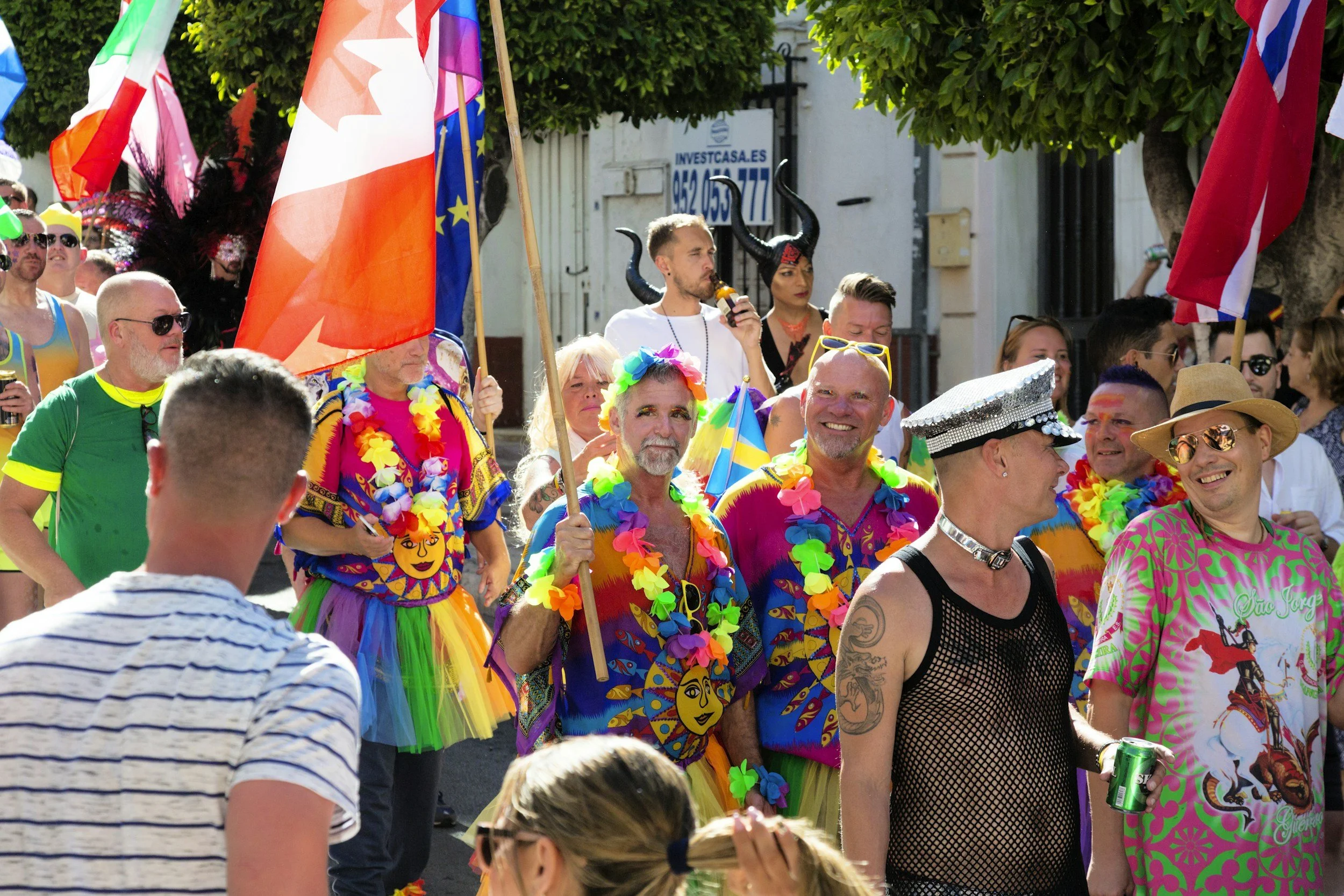
Pride march
Internalized homophobia: The process of internalizing negative societal attitudes towards homosexuality, leading to self-stigma and shame.
Discrimination and prejudice: Experiencing bias in various forms, from subtle microaggressions to overt hate crimes, impacting self-esteem and safety.
Social isolation: Feeling disconnected from family, friends, or community due to fear of rejection or lack of understanding.
Minority stress: The chronic stress faced by members of stigmatized minority groups.
Coming out process: While ultimately liberating, the journey of coming out can be incredibly stressful and anxiety-inducing.
These factors can manifest in various ways, including increased rates of anxiety, depression, substance abuse, and even suicidal ideation.
Movember and Beyond: A Call to Action for Queer Men
Movember's focus on men's mental health provides a powerful platform to address these disparities. Here's how we can all contribute to creating a more supportive and understanding environment:
1. Break the Silence: Open Up and Connect
One of the biggest barriers to seeking help is the fear of judgment. This Movember, let's challenge the outdated notions of masculinity that discourage emotional expression.
Talk to trusted friends or family: Sharing your experiences can be incredibly validating and relieve the burden of carrying everything alone.
Seek out queer-affirming spaces: Connect with others in the LGBTQ+ community. Online forums, local groups, and support networks can offer a sense of belonging and understanding.
Don't be afraid to ask for help: Reaching out to a mental health professional is a sign of strength, not weakness.
2. Prioritize Self-Care: Nurturing Your Inner World
Self-care isn't selfish; it's essential for maintaining good mental health.
Mindfulness and meditation: Practicing mindfulness can help reduce stress and improve emotional regulation.
Physical activity: Exercise is a powerful mood booster. Find an activity you enjoy, whether it's hiking, dancing, or hitting the gym.
Healthy diet and sleep: These foundational elements play a significant role in overall well-being.
Engage in hobbies and passions: Make time for activities that bring you joy and a sense of accomplishment.
3. Seek Queer-Affirming Mental Health Support
Finding a therapist who understands the unique experiences of queer men is crucial.
Look for LGBTQ+ inclusive therapists: Many professionals specialize in queer mental health and can provide culturally competent care.
Online therapy platforms: These can offer accessible and convenient options for connecting with specialized therapists.
Support groups: Group therapy can provide a safe space to share experiences and learn from others facing similar challenges.
4. Be an Ally: Support Your Queer Friends and Family
For allies, Movember is an opportunity to actively support the queer men in your life.
Listen without judgment: Create a safe space for open and honest conversations.
Educate yourself: Understand the specific challenges queer men face.
Challenge homophobia and transphobia: Speak up against discrimination and advocate for inclusivity.
Support LGBTQ+ organizations: Donate your time or resources to organizations working to improve queer mental health.
This Movember, let's cultivate a culture where queer men feel seen, heard, and supported in their mental health journeys. By breaking down stigmas, fostering connection, and championing inclusive care, we can ensure that every man, regardless of his sexual orientation or gender identity, has the opportunity to thrive.