
Navigating the Vancouver Gloom: Understanding and Managing Seasonal Affective Disorder (SAD)
As the days continue to get shorter for the next 3-weeks in Vancouver, the shift can feel like more than just a change in the weather - it can feel like a heavy weight pressing down on your energy and mood. If the dark, rainy stretch from November through February leaves you feeling sluggish, isolated, and persistently low, you are not alone. This is often the impact of Seasonal Affective Disorder (SAD), a type of recurrent mood disorder that aligns with the changing seasons.
What is SAD, and Why Does it Hit Vancouver Hard?
SAD is a mood disorder characterized by depressive symptoms that occur during the same time each year, most commonly starting in the fall and lasting through the winter. In Vancouver, we experience what is known as "winter darkness" due to a double-whammy:
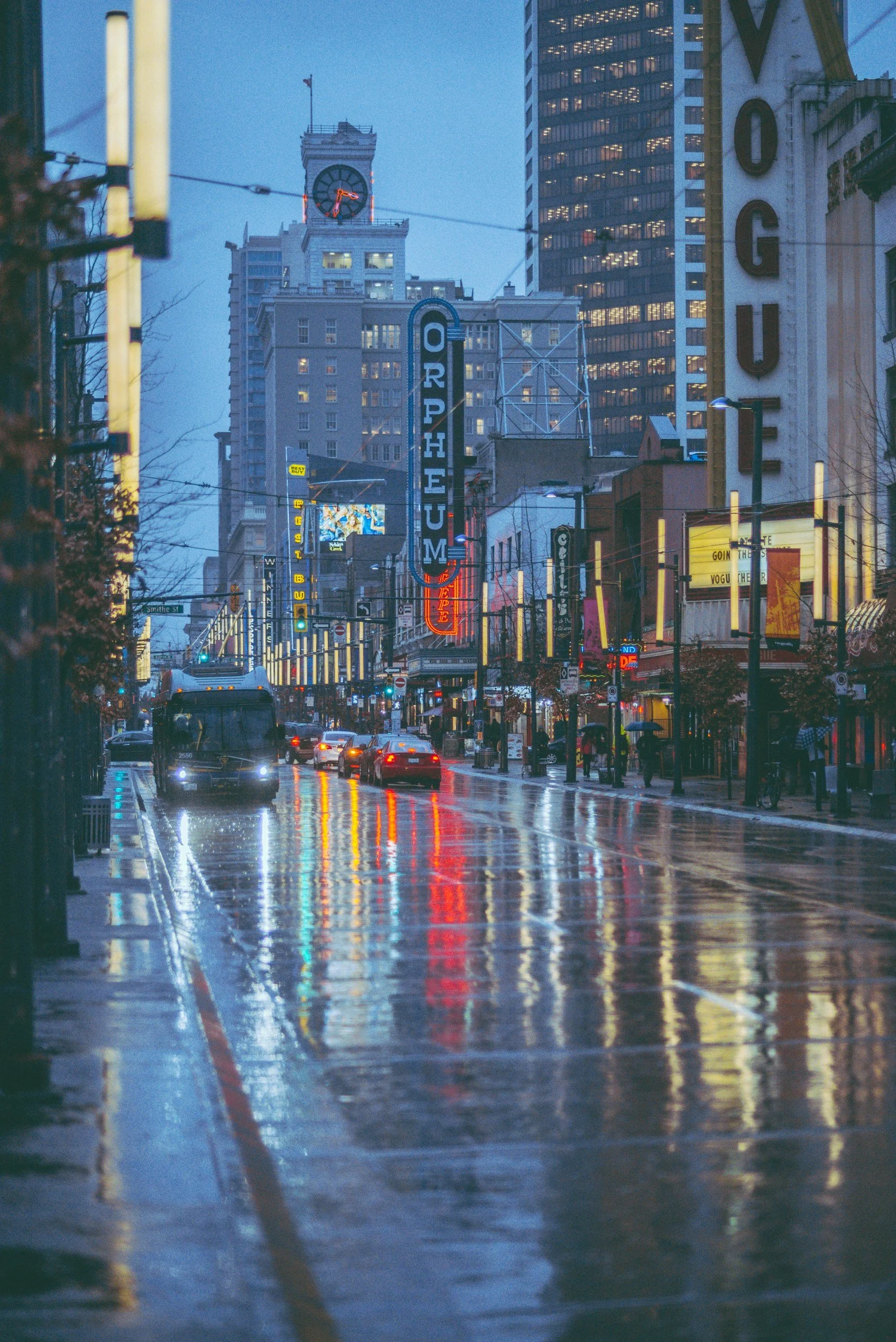
Granville Street - Vancouver BC
Geographical Latitude: Despite our relatively mild temperatures, our high latitude means fewer hours of daylight in winter. The sun sets around 4:15 PM in late December.
Persistent Cloud Cover: Unlike sunnier climates, Vancouver is notorious for its gray, persistent cloud cover, significantly reducing the intensity of the light we do receive, even at midday.
This lack of adequate sunlight disrupts the body’s internal clock and affects key brain chemicals:
Melatonin: The sleep hormone, melatonin, production increases with darkness. In SAD, this production can be excessive, leading to increased drowsiness and lethargy during the day.
Serotonin: The neurotransmitter that regulates mood, serotonin, often drops, contributing to feelings of depression, hopelessness, and loss of interest.
Strategies for Managing SAD in the Pacific Northwest
Managing SAD requires proactive, intentional strategies focused on maximizing light and regulating your internal rhythms.
1. Light Therapy: Your Non-Negotiable Tool
This is the most highly recommended and effective first-line treatment for SAD.
The Right Tool: Use a certified light therapy lamp (or SAD lamp) that delivers 10,000 lux of bright light. Crucially, it must be low-UV and specifically designed for SAD.
The Right Time: Use the lamp for 20-30 minutes first thing in the morning (within 30 minutes of waking). Place it about 12-18 inches from your face.
The Right Way: You do not need to stare at the light; you should keep it in your peripheral vision while having breakfast or checking email. Consistency is key!
2. Prioritize Movement and Fresh Air
While rain is inevitable, complete inactivity is not. Physical activity boosts serotonin and endorphins, providing an immediate lift. As hard as it may be to get out in the rain, you’ll feel better for it.
The "Micro-Walk": Commit to a 15-minute walk outside every day, even if it’s overcast or drizzling. Getting any amount of natural daylight exposure early in the day helps suppress melatonin.
Indoor Activity: Find ways to move indoors, whether it’s walking the seawall under an umbrella, joining a gym, or practicing at-home yoga.
3. Maintain Social Connection and Routine
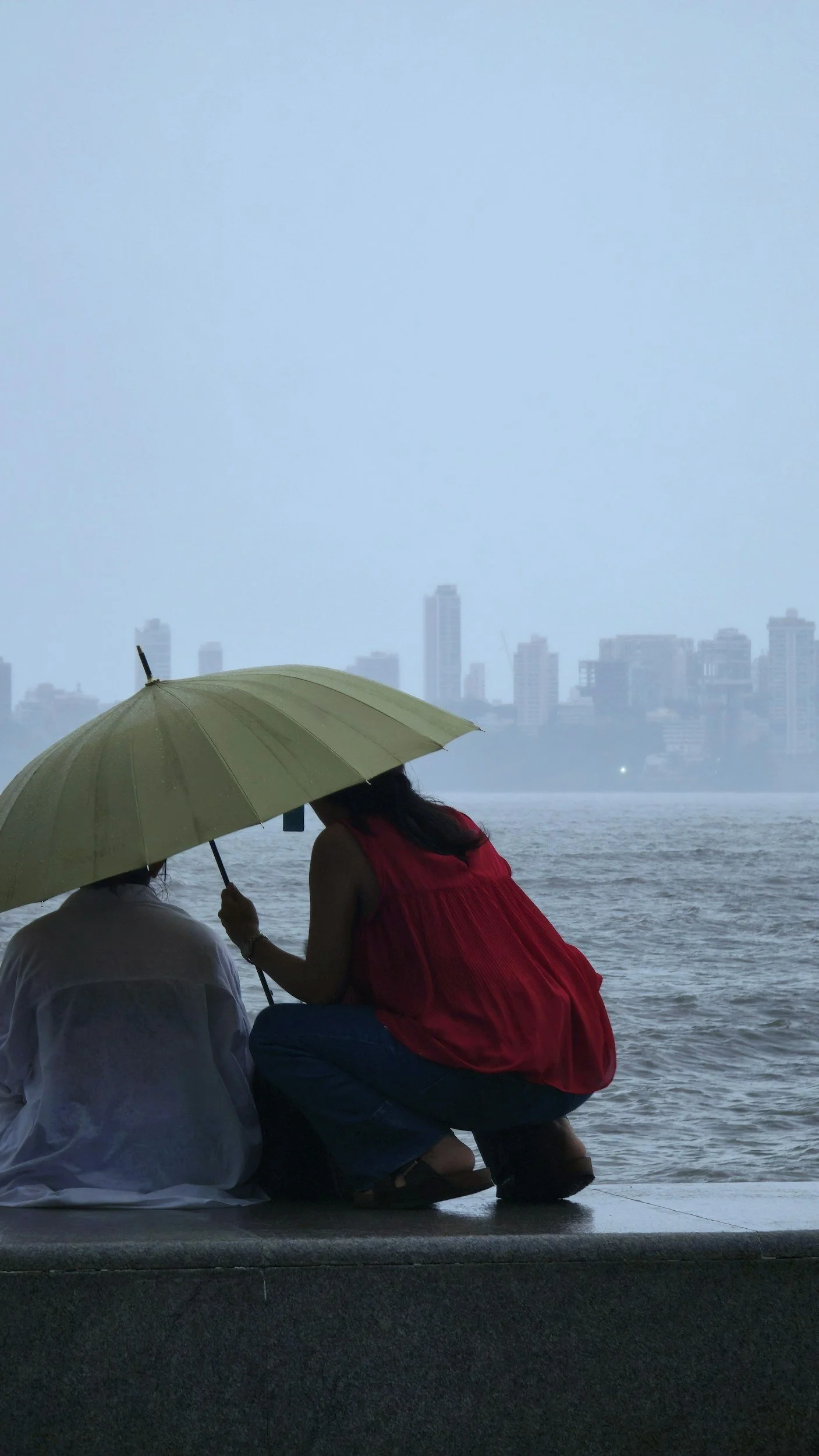
SAD can drive you toward isolation, which only deepens depression. Your routine is your anchor.
Defy Isolation: For those in the LGBTQ+ community, where isolation can already be a challenge, intentionally scheduling time with your chosen family or support groups is vital. Don't wait until you feel like socializing; schedule it and commit.
Sleep Hygiene: Maintain a strict sleep schedule—go to bed and wake up at the same time every day (yes, even on weekends). This supports your internal clock, which is already struggling in the darkness.
4. Consult a Professional
If your symptoms are interfering with your work, relationships, or overall quality of life, professional support is essential.
Check-in: As a Registered Clinical Counsellor (RCC), I can help you use Cognitive Behavioral Therapy (CBT) techniques to challenge negative thought patterns associated with the winter months.
Holistic Plan: We can work together to develop a comprehensive plan that combines behavioral strategies, light therapy, and emotional regulation skills, ensuring you move through the winter months with resilience and hope.
You deserve to feel whole, even when the clouds roll in. If you're struggling with the Vancouver gloom, reaching out is the first step toward reclaiming your energy and finding your light.
If you are ready to find tailored strategies to manage SAD, please schedule a consultation today.