
The Hyper-Jolly Gauntlet: Navigating Holiday Travel with Adult ADHD
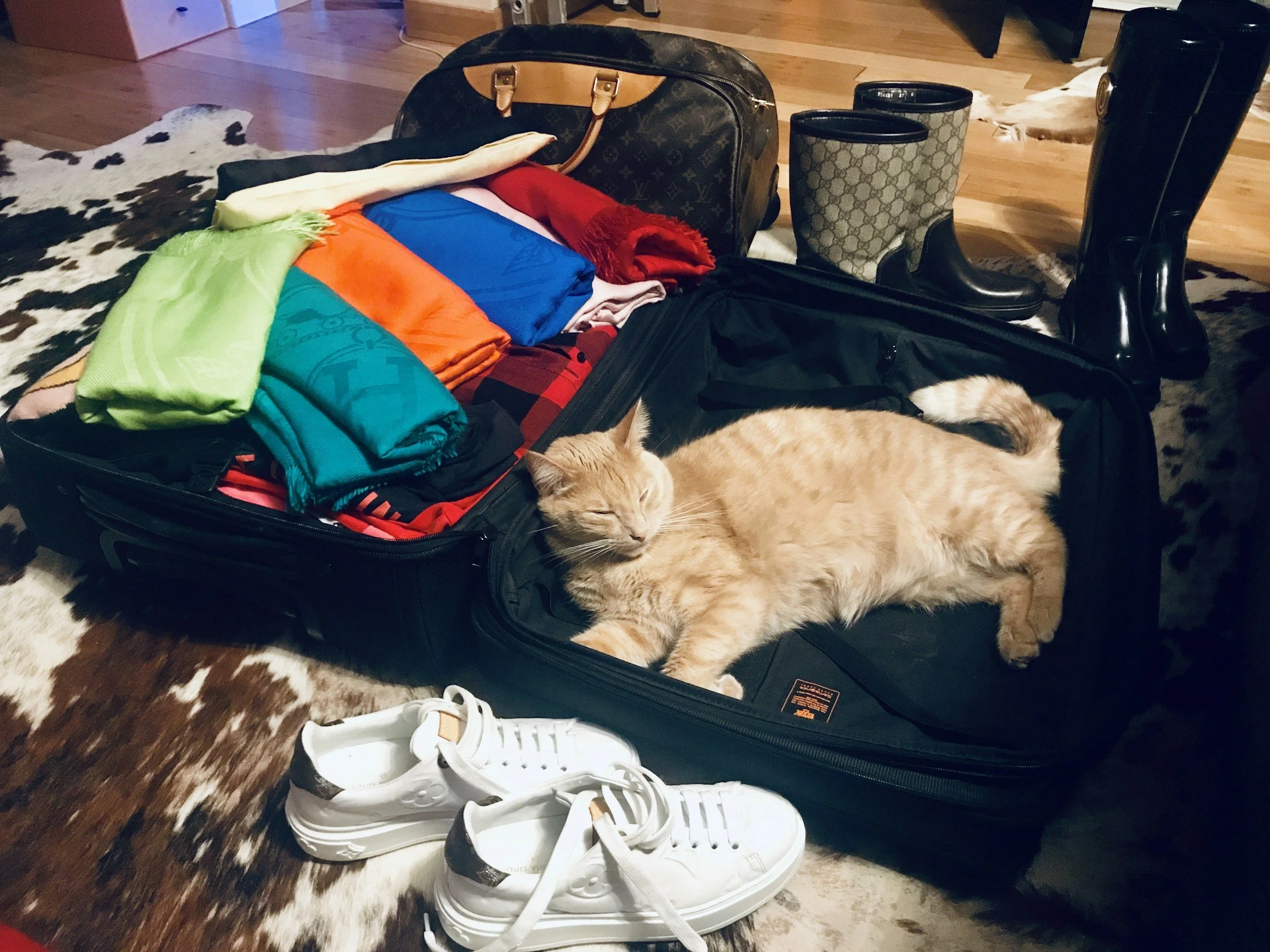
The holiday season is stressful enough, but adding travel—with its unpredictable delays, time zone shifts, long lines, and packing frenzy—can turn the neurotypical challenge into a full-blown crisis for the ADHD brain.
If you struggle with executive function, travel creates a perfect storm of pain points: time blindness, disorganization, and emotional regulation challenges due to sensory overload and holiday exhaustion.
Here’s how to understand and conquer the hyper-jolly gauntlet of holiday travel, whether you're hitting the road or taking to the skies.
Why Holiday Travel Overwhelms the ADHD Brain
The core symptoms of ADHD are directly triggered by the demands of travel:
Time Blindness vs. Strict Deadlines: Airports and boarding gates require precision, which directly conflicts with the ADHD tendency to live only in the "now." Missing a flight feels like a moral failure, leading to intense shame and anxiety.
Working Memory Failure: Trying to track tickets, passports, medications, chargers, and luggage simultaneously overloads the working memory, leading to the predictable pattern of forgetting something essential.
Sensory Overload: Crowds, loud announcements, flashing lights, and uncomfortable seats quickly lead to irritability and emotional dysregulation, making coping impossible.
Strategies for ADHD: Road Trips
While road trips offer more control than flying, the combination of sustained boredom and sensory input challenges (like listening to the playlist over and over again) requires pre-planning, and list making.

The right preparation can make winter road trips a breeze.
Notebook for your Lists: Get a dedicated notebook to hold all your lists and to-dos before you leave. Scattered sticky notes, and loose pieces of paper get misplaced easily. One specific notebook to help organize your thoughts will be incredibly helpful for holiday travel.
Imagine the Outcome: If you are struggling with getting yourself ready to leave - try imagining what it will feel like once you have completed a specific task. How will you feel once you are finished packing your bag? Focus on that emotion to give you the kickstart to get going.
The "Launch Pad" System: Don't pack the day before or more stressful, the day of. Create a designated "launch pad" space near the door three days before you leave. Everything that must go - bags, snacks, gifts, chargers—goes into this space. This bypasses the last-minute executive function crash of getting everything together moments before you leave.
Externalize Your Time: Set realistic time expectations and remember to plan for time blindness. It can be helpful to set highly aggressive alarms. Instead of "We need to leave around 9 AM," set an alarm for 9:05 AM labeled "GO NOW.”
Active Entertainment: Avoid passive entertainment that causes "zoning out." Use podcasts, audiobooks, or conversation games that keep the mind actively engaged. For the driver, chewing gum or listening to focus music (instrumental or binaural beats) can help maintain attention.
Scheduled Sensory Breaks: Plan frequent, short stops that have a clear activity other than bathroom use. A five-minute stop to do ten jumping jacks, walk a lap around the car, or just stand in silence provides crucial input modulation.
Strategies for ADHD: Air Travel
Air travel removes almost all control and introduces major sensory and logistical hurdles. Your strategy here is all about buffering and simplification.
The "One Essential Carrier" Rule (Consolidation):
Focus: Everything critical goes into one, single backpack or shoulder bag that stays on your body. This includes meds, documents, chargers, and comfort items.
The Power of Pouches: Use brightly coloured mesh or transparent zippered pouches inside that one bag. Dedicate one pouch for "Documents Only," one for "Meds/Vitamins," and one for "Tech/Chargers." This means you only ever need to grab the green pouch for your passport, not search the whole bag.
Sensory Buffering Kit: Think about incorporating these tools:
Noise-Canceling Headphones: Highly helpful for airport noise and engine drone.
Gum/Mint/Snack: Something easy to access and chew or suck on provides reliable oral stimulation to regulate the nervous system.
Comfort Item: A specific, soft jacket, blanket scarf, or neck pillow provides predictable tactile input against the chaos.
Digital Document Doubling: Take pictures of every single physical document you have (ID, ticket, medical card) and save them in a dedicated, clearly named album on your phone (e.g., "CHRISTMAS TRAVEL 2025"). If you misplace the paper, you have an immediate backup.
Embrace Check-In: If budget allows, check your luggage. The mental cost of keeping track of a massive carry-on through security, gate changes, and customs is far higher than the financial cost of checking it. Simplify your load.
This holiday season, remember that your brain is wired for complexity, and travel is inherently disorganized. Self-compassion is your most important travel tool. You are not failing if a part of the process is overwhelming; you are just working with a complex operating system.
If you need help building personalized systems and emotional regulation skills to navigate high-stress life events like holiday travel, please reach out to schedule a consultation.