
Beyond the Party Scene: Building Authentic Queer Community in Your 30s & 40s
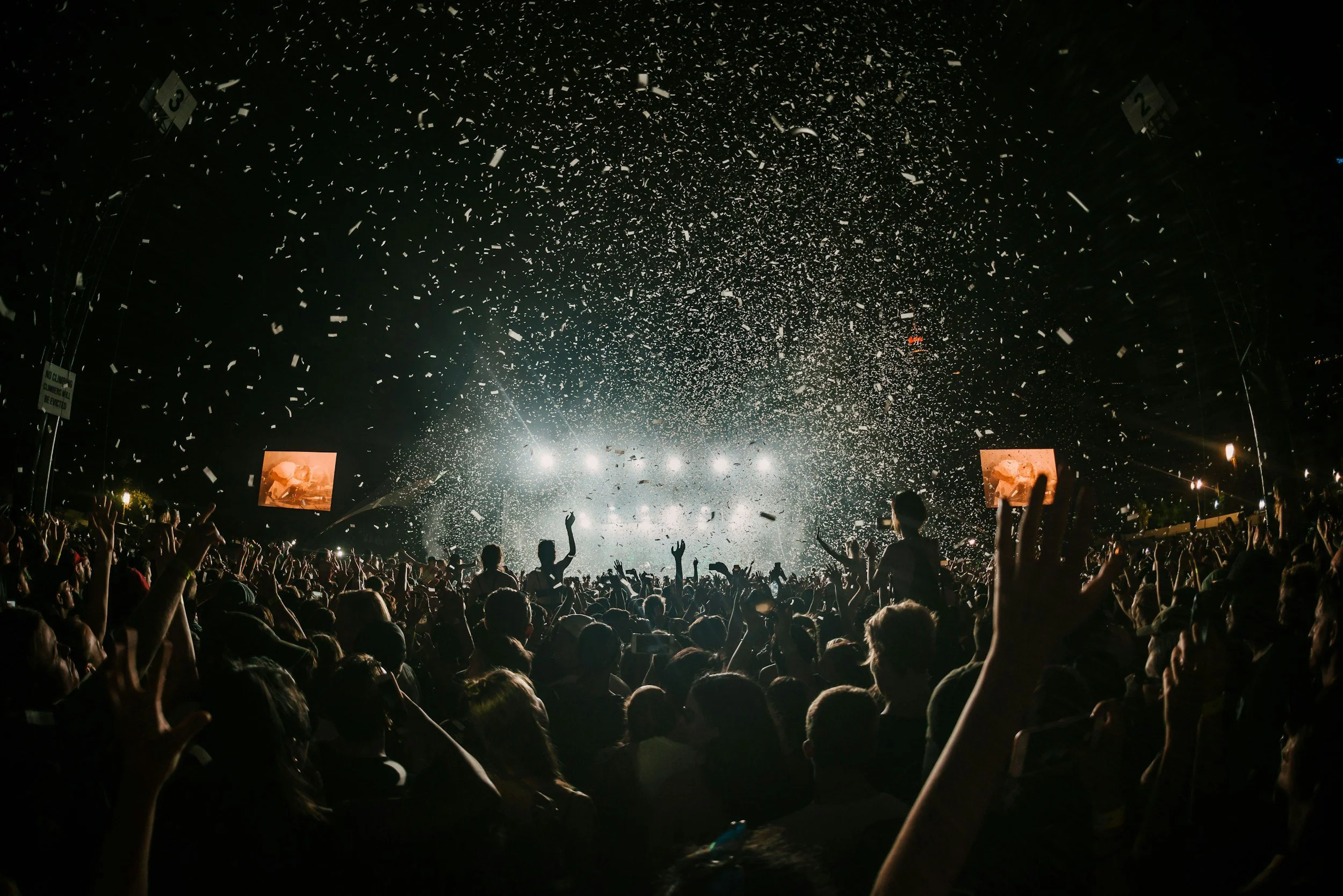
Looking for connection beyond the bar scene? Building authentic adult friendships takes a new approach.
There is a familiar shift that often happens for gay, bisexual, and queer men as they move into their 30s and 40s.
In your twenties, community often felt built-in. It revolved around nightlife, high-energy weekend events, house parties, and large social circles. But as your career demands grow, your priorities shift, and the appeal of crowded bars or late nights fades, a subtle isolation can creep in.
You might look around and realize that while you have plenty of acquaintances, professional contacts, or social media connections, you lack deep, nourishing adult friendships—the kind of relationships where you can be fully authentic without performing.
In a city like Vancouver (often famous for being polite yet notoriously difficult for making new friends), building genuine queer community after 30 requires an intentional shift in strategy.
Why Is Building Adult Queer Friendships So Hard?
If you struggle to make meaningful connections as an adult queer man, it isn't a personal failure. Several distinct psychological and cultural factors intersect to create this challenge:
The "Default" Queer Spaces Are Often Youth- and Alcohol-Centric
Historically, bars, clubs, and circuit events were the primary safe havens where queer men could gather openly. While these spaces remain important, they rely heavily on alcohol, party drugs, loud environments, and physical attraction as primary anchors for connection. When you outgrow these environments, it can feel like the map of the community disappears.
Transactional Socializing & App Fatigue
When dating apps and social apps become the primary tool for meeting other queer men, boundaries easily blur. Friendship attempts often get filtered through a lens of physical attraction, networking, or "what can this person offer me?" This transactional feel makes genuine emotional intimacy hard to cultivate.
The "Vancouver Freeze" Combined with Minority Stress
Vancouver’s outdoorsy, early-to-bed culture, paired with high living costs and demanding professional lives, means people’s free time is guarded fiercely. For queer men who carry past experiences of social rejection or bullying, putting yourself out there in new adult groups can trigger old fears of not fitting in.
4 Strategies to Build Authentic Queer Connections After 30
Moving away from the party scene doesn't mean giving up on rich social connection. It simply means changing how and where you build intimacy.
1. Anchor Friendships in Shared Intentionality, Not Just Shared Identity
Being queer is a meaningful starting point, but long-term adult friendships thrive on shared values, life stages, and mutual growth. Look for groups built around common activities or interests rather than just identity, whether that is a local queer hiking or running club in Stanley Park, book clubs, creative workshops, or volunteer organizations across Metro Vancouver.
2. Practice Low-Stakes, Consistent "Third Places"
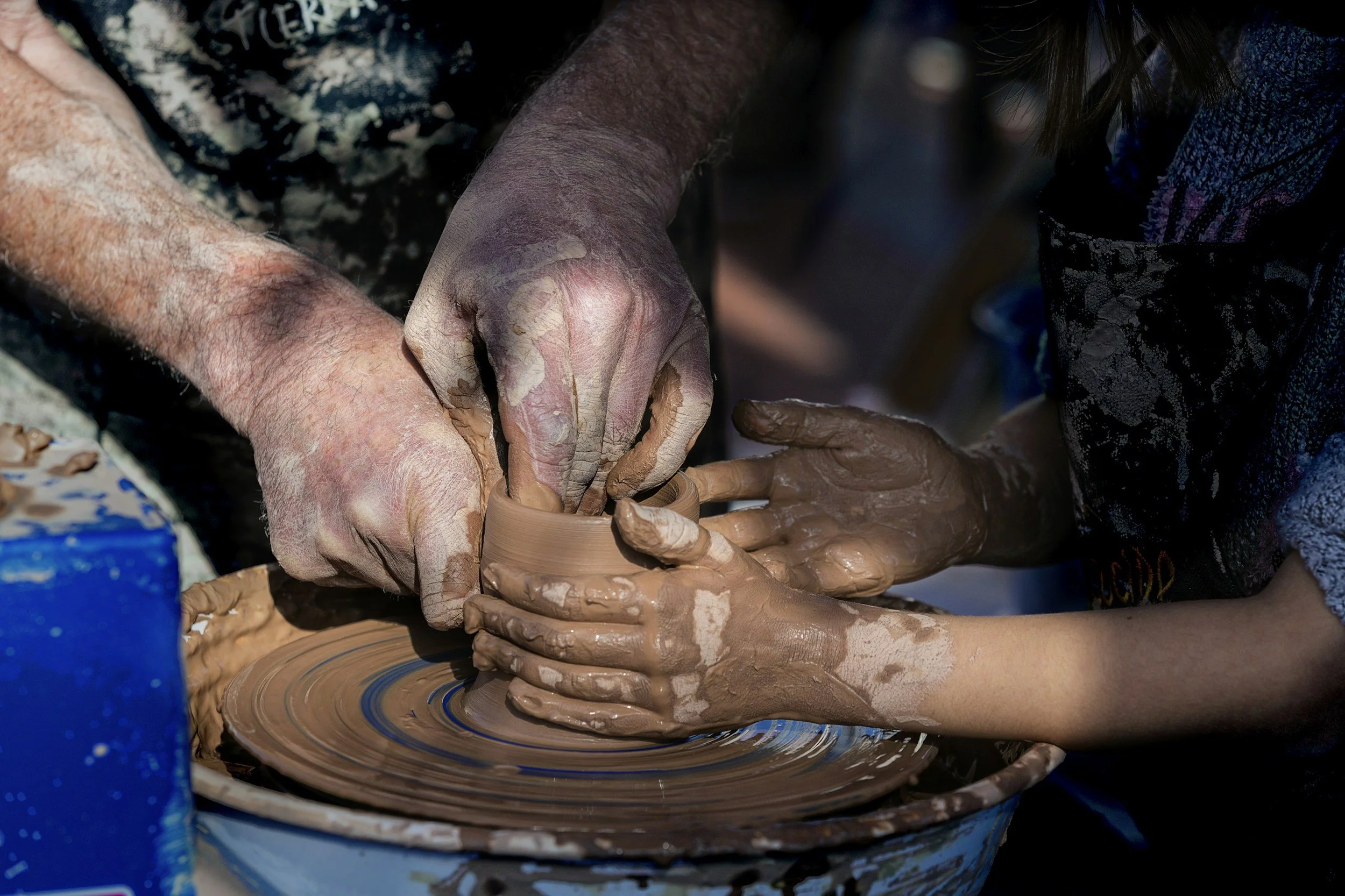
Adults make friends through consistent proximity over time. Find a "third place", a space that isn't work and isn't home, where you show up regularly. Whether it's a routine pottery class in Granville Island, a weekly board game group, or an LGBTQ+ sports league, consistency removes the pressure of needing to click instantly on day one.
3. Normalize Friendships Across Generations
In youth-obsessed gay subcultures, age segregation is common. Intentionally seeking out friendships with older and younger queer men enriches your perspective, breaks down superficial barriers, and provides mentorship and solidarity that nightlife spaces rarely foster.
4. Shift from "Networking" to Radical Authenticity
As a professional, you are likely skilled at small talk and professional charm. But deep friendship requires lowering your executive mask. Sharing vulnerability like acknowledging career stress, fears, or life transitions, signals to others that it is safe to drop their guards too.
The Role of Counselling in Overcoming Queer Isolation
Sometimes, the barrier to making friends isn't a lack of opportunities - it is an internal barrier, such as social anxiety, rejection sensitivity, or boundary fatigue from past toxic relationships.
In therapy, we explore the relational patterns that might be keeping you isolated. Together, we work to:
Untangle past social trauma and fear of rejection
Set healthy boundaries in adult friendships
Navigate loneliness without resorting to unhealthy coping strategies
Build the emotional confidence needed to seek out meaningful connection
You deserve a social network that nourishes you in your 30s, 40s, and beyond, one that aligns with your current life, values, and capacity.
Notice perfectionism or performance anxiety holding you back from making new friends? Read our post on The High-Achiever’s Trap: Queer Male Perfectionism.